 bobbyjonesplumbing@gmail.com
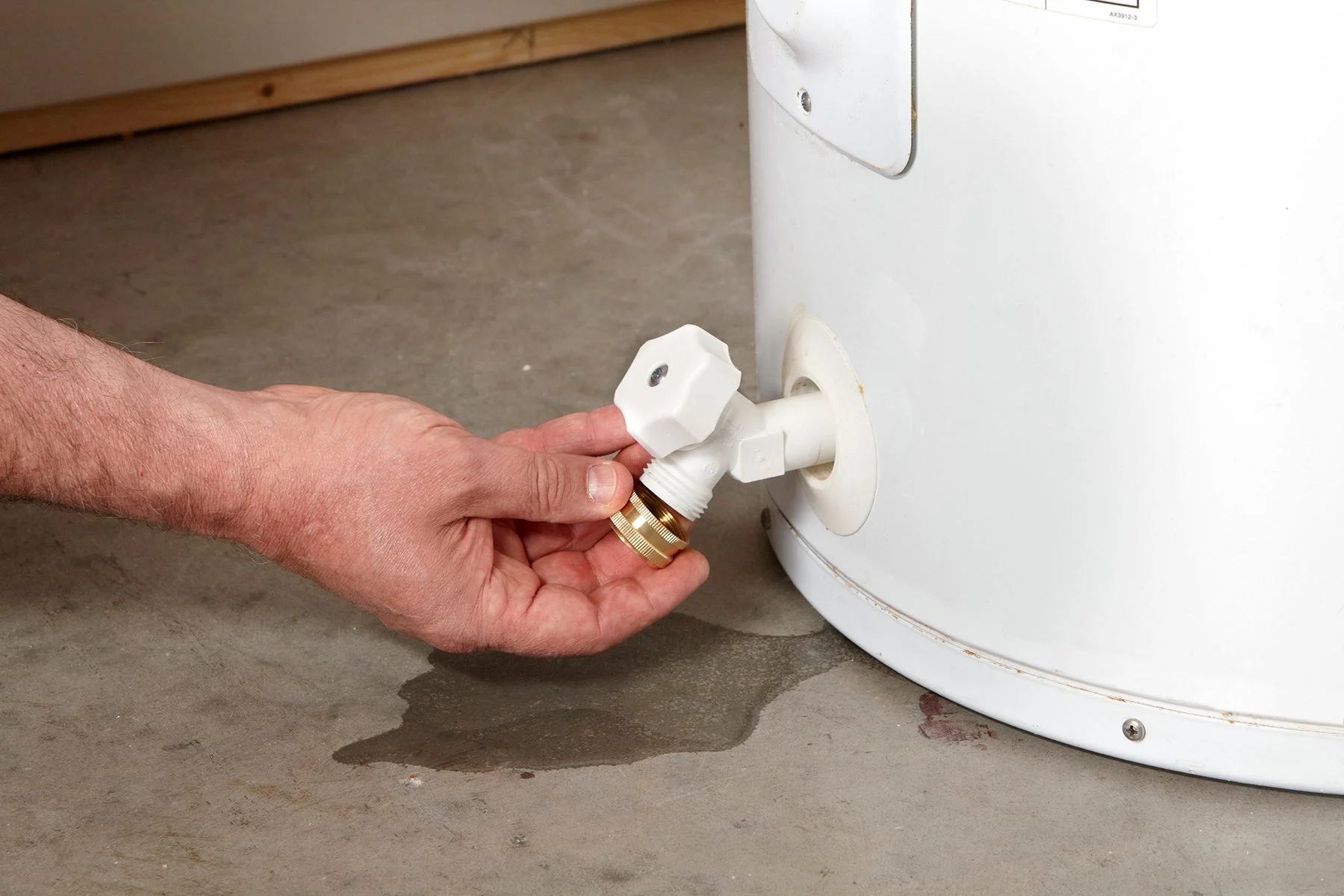
Water Heater Leaking?
Here’s Why and How to Fix It Safely
A water heater leaking may seem minor, but even a small drip can lead to big damage. Whether it’s corrosion, loose connections, or a bad valve, leaks waste water and money. More importantly, they can cause safety issues if not fixed soon.
In this guide, we explain why your hot water heater is leaking, how to fix it safely, and how to keep it from leaking again.
Why Is My Water Heater Leaking?
A leaking water heater always has a cause. Knowing what that is helps you decide if you can fix it or if it needs professional attention.
1. Loose or Worn Connections
Every heater has water and power connections. Over time, these joints can loosen or corrode. When that happens, water seeps out around the fittings.
Check:
- Inlet and outlet connections
- The drain valve at the bottom
- The temperature and pressure (T&P) relief valve
If tightening does not stop the leak, the part may need to be replaced.
2. Faulty Temperature & Pressure Relief Valve
The T&P valve protects your heater from too much pressure. When it fails, water may leak through the attached pipe.
If water drips from the pipe on the side or top, it may be this valve. Replace it soon to prevent pressure buildup.
3. Corrosion and Rust
Minerals in your water cause corrosion. Over time, rust creates tiny holes that let water escape.
If you see rusty water or damp spots near the base, corrosion has likely started. Once it begins, the tank often needs replacement.
4. Drain Valve Leaks
The valve at the bottom allows you to flush the tank. If it is not closed tightly or the threads are worn, it can leak.
Try tightening the handle gently. If that fails, a new valve may solve the problem.
5. Sediment Buildup
Minerals settle at the bottom of the tank and create pressure points. This often leads to water heater leaking from bottom issues. Flushing the tank once a year clears the sediment and helps your heater last longer.
6. Cracked or Damaged Tank
If you find water pooling below and the source seems internal, the tank may be cracked. Once that happens, repair is not possible. The safest solution is a replacement.
Is a Leaking Water Heater Dangerous?
Yes, it can be. A leaking water heater may cause electrical or fire risks. It can also damage your flooring, drywall, and insulation.
Here are a few dangers:
- Fire risk: Gas heaters near electrical parts or open flames are unsafe when leaking.
- Pressure buildup: A failed T&P valve can cause the tank to burst.
- Water damage: Leaks can ruin walls and flooring fast.
- Mold: Standing water encourages mold growth, which harms air quality.
If you are unsure what to do, turn off the water and power right away and call for help.
How to Fix a Leaking Water Heater Safely
Fixing a leaking water heater depends on where the water comes from. Follow these steps to handle it safely.
Step 1: Turn Off the Power
- For electric models, shut off the breaker.
- For gas models, turn the control knob to “OFF.”
Always cut power before touching anything.
Step 2: Shut Off the Water Supply
Find the cold water shut-off valve above the heater and turn it clockwise to stop the flow. If it is stuck, close your home’s main water valve.
Step 3: Find the Source
Use a towel to dry the area, then watch for new drips. Look closely around fittings, valves, and the base.
Step 4: Tighten or Replace Loose Parts
If the leak is at a joint, gently tighten it with a wrench. If it keeps dripping, the fitting or valve may need replacing.
Step 5: Drain the Tank if Needed
For leaks from the bottom, connect a hose to the drain valve and lead it outdoors or to a floor drain. Open the valve to release water and pressure.
Step 6: Inspect the T&P Valve
If water comes from the discharge pipe, lift and release the valve lever. If it still leaks, install a new valve.
Step 7: Check for Corrosion
If you can’t find the leak at any fittings or valves, the inside of the tank may be rusted. Once corrosion starts, the only safe fix is replacement.
Preventing Future Water Heater Leaks
You can avoid future leaks with simple care habits.
1. Flush the Tank Yearly
Flushing removes sediment and reduces pressure buildup.
2. Check Valves Regularly
Inspect the T&P and drain valves for wear and replace them when needed.
3. Use a Water Softener
If your home has hard water, minerals build up faster. A softener slows down corrosion and sediment problems.
4. Replace the Anode Rod
This rod attracts minerals before they can damage the tank. Replace it every few years for protection.
5. Watch for Warning Signs
Rusty water, puddles, or strange noises mean your heater may soon fail. Early action saves money.
When to Call for Help
If your water heater leaking issue continues after basic checks, it’s time for professional help. A trained plumber can inspect, repair, or replace the unit safely. Waiting too long could lead to costly damage or safety risks.
Conclusion
A water heater leaking is more than a nuisance. It signals that your system needs care. Whether it’s a faulty valve, corrosion, or a loose fitting, knowing the cause helps you act fast. Fix the problem safely, or call a trusted local plumber when you need help.
How Bobby Jones Plumbing & Excavating Can Help
At Bobby Jones Plumbing & Excavating, we handle plumbing services, repiping services, and water heater services across Staunton, VA. We bring 35 years of experience and reliable skill to every project. Our team is a one-stop shop with the right tools and knowledge to fix leaks, replace old systems, and keep your water running strong. Call (434) 953-7994 today for trusted local service you can rely on.